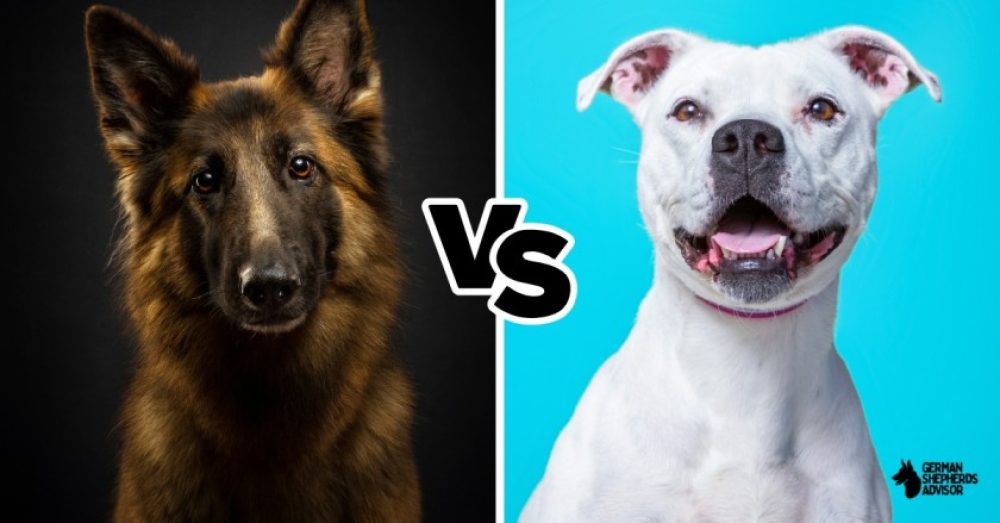
German Shepherd vs. Pitbull remains one of the most interesting comparison topics. When comparing these two breeds, it is difficult to decide which dog is ‘better’ because each has unique strengths. Mainly because both breeds are very popular in the United States. However, people often want to know what traits they share and what key differences set them apart. In this article, we will be discussing everything about these two gorgeous breeds so readers can better understand both breeds. Through comparison, we will highlight the features that make each breed stand out from others.
| Trait | German Shepherd | Pitbull (Pit-bull-type dogs) |
|---|---|---|
| Height | 22–26 in (55–66 cm) | 17–21 in (43–53 cm) |
| Weight | 50–90 lbs (22–40 kg) | 30–60 lbs (14–27 kg) |
| Lifespan | 10–14 years | 12–16 years |
| Coat | Medium double coat, heavy shedding | Short coat, moderate shedding |
| Temperament | Intelligent, loyal, protective | Affectionate, confident, energetic |
| Trainability | Very high | High |
| Best for | Active owners, families, working homes | Responsible owners, active families |
| Good with kids? | Good with kids? — Yes, with proper socialization and training | Yes, with training |
| Grooming | High maintenance | Low–moderate maintenance |
(AKC, 2024; FCI Standard No. 166)
History and Origin
In the late 19th century, as the name suggests, the German Shepherd breed was developed in Germany. They were developed by Max von Stephanitz, a former cavalry officer, by standardizing and refining various German herding dogs into a versatile working breed. They were originally bred for herding and guarding livestock—hence the name German Shepherd. The German Shepherds were first exhibited in 1882 at a show in Hanover, Lower Saxony.
Since their early development, German Shepherds have changed significantly in appearance compared to the original lines. Early German Shepherds had rougher coats, shorter tails, and a more rugged appearance compared to today’s modern dogs.
Because of their exceptional trainability, protective instincts, stamina, powerful sense of smell, and high intelligence, German Shepherds are widely used in police K-9 units, search-and-rescue work, and bomb and narcotics detection. They are also popular family protectors and home guardians.
Pitbulls are often mistaken for a single breed, but this is not accurate. The American Kennel Club (AKC) does not recognize ‘Pitbull’ as an official breed. They originated in the 19th century in the United Kingdom as bull-and-bear-baiting dogs, where bulldogs and terriers were crossed for strength and agility. These dogs were bred to grip and hold during these old blood sports, which were popular among certain groups before being outlawed.
Reputation of Pitbulls
This history contributed to the Pitbull’s negative reputation, especially during the era of bull-baiting, which was banned in the late 1800s. Unfortunately, in some regions, irresponsible individuals still exploit Pitbull-type dogs in illegal activities, contributing to ongoing stigma. This reputation often stems from misunderstanding, irresponsible ownership, and their historical uses—not their appearance. Some abusive owners mistreat Pitbulls, which contributes to harmful misconceptions about the breed. Such mistreatment can lead to behavioral problems, but this is due to human abuse—not the dog’s natural temperament. In responsible homes, Pitbull-type dogs are trained as loyal family companions and are known for being affectionate toward people.
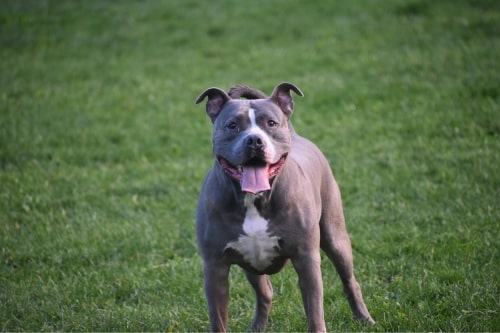
Breeds such as the American Pit Bull Terrier, American Staffordshire Terrier, Staffordshire Bull Terrier, and American Bulldog are often grouped under the term ‘pit-bull-type dogs,’ which refers to a category—not a single breed. To avoid confusion, dogs with bulldog-and-terrier ancestry are generally categorized as ‘bully breeds’.
Physical attributes and Appearance
German Shepherds typically have a black-and-tan or sable double coat, which can be medium or long in length depending on the line. Physically, they are taller and longer than many breeds and carry themselves with a strong, wolf-like elegance. Their exceptional sense of smell makes them highly valuable for police, military, and detection work. In many countries, German Shepherds are commonly used at borders and airports to detect explosives and narcotics.
Pitbull-type dogs are shorter but have a well-defined, muscular build. Their short coat can appear in many colors, including white, gray, brown, black, brindle, or mixed patterns. They also appear in combination patterns such as brindle, patched, or mottled markings. These physical differences result from the historical crossbreeding of bulldog and terrier lines. When they open their mouths, many Pitbull-type dogs appear to ‘smile,’ giving them a friendly and expressive look.
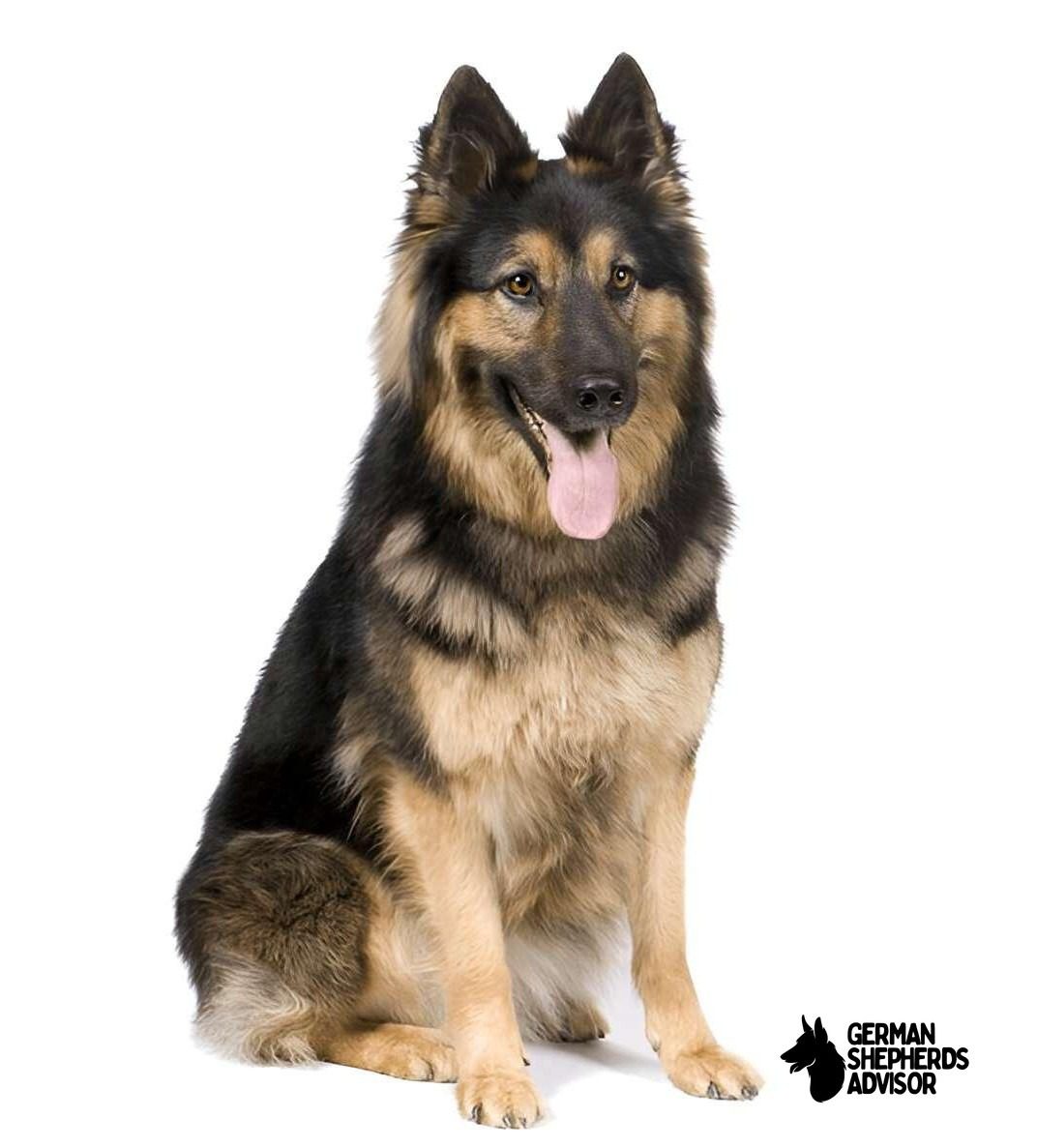
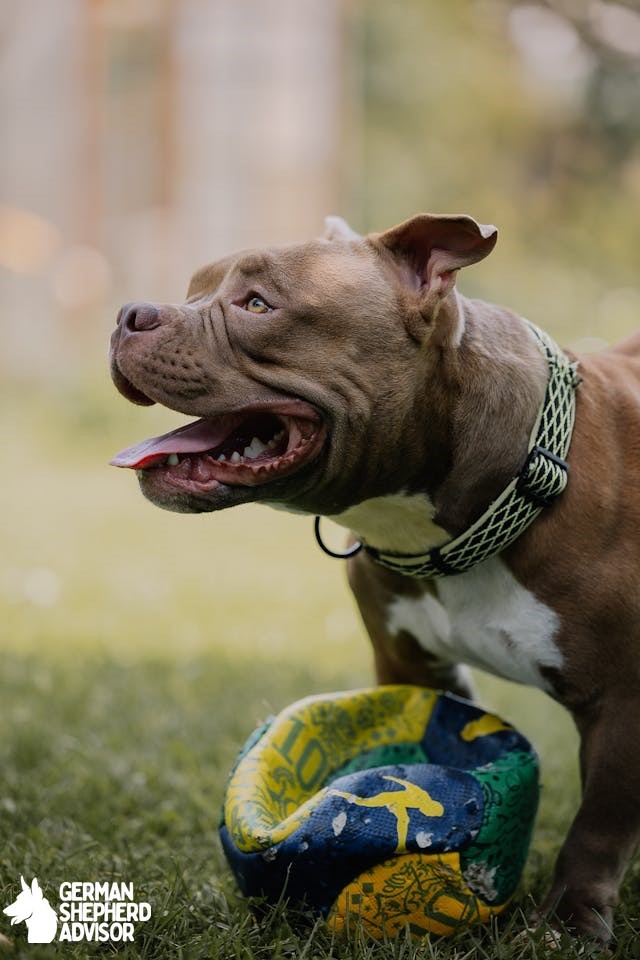
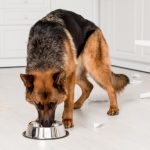
Many owners appreciate this cheerful expression, especially after a long, stressful day. This often gives German Shepherds a more dignified appearance in comparison, with a calm and confident expression that many people associate with maturity and steadiness. German Shepherds typically stand 22–26 inches tall at the shoulder, while Pitbull-type dogs generally range from 17–21 inches. Adult German Shepherds usually weigh between 50–90 lbs (22–40 kg), whereas Pitbull-type dogs typically weigh 30–60 lbs (14–27 kg), depending on the breed and individual build. Pitbull-type dogs generally eat less due to their smaller size, often around 2–2.5 cups per day depending on activity level. German Shepherds, being larger and more active, may require 3–4 cups daily, again depending on activity and diet formulation.
Grooming and Shedding
German Shepherds shed heavily year-round and experience seasonal ‘blowouts’ twice a year. It is best to brush their coat several times a week to control shedding. German Shepherds do not require frequent baths—typically every 2–3 months unless they get dirty. Over-bathing can cause dry skin, so moderate bathing is recommended. Pitbull-type dogs have short coats and shed moderately. Brushing once or twice a week helps manage loose hair. Experts and dog owners alike suggest investing in a Furminator and high-quality vacuum cleaner, whether you own a German Shepherd or Pitbull. Regular grooming reduces the amount of loose hair around the home. It is also important to trim the nails of both breeds regularly to prevent discomfort and accidental scratches.
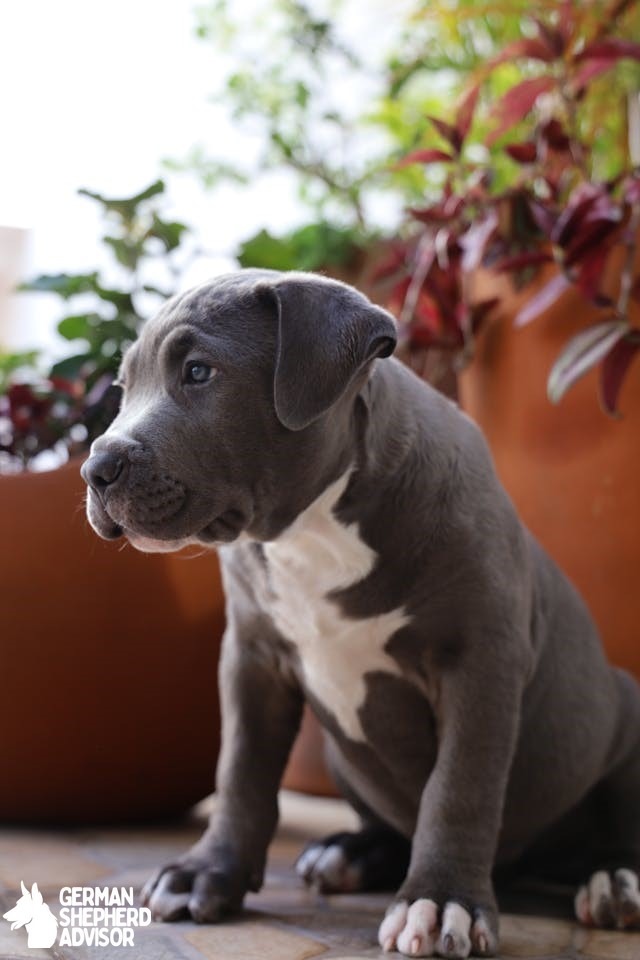
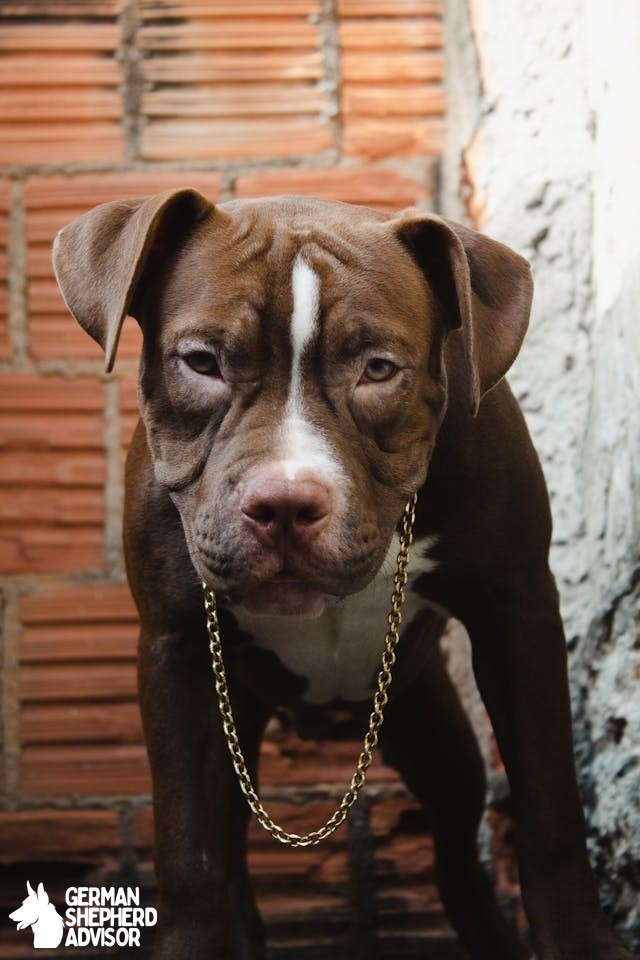
Photo by: Joice Rivas, Photo by: Jonathas Cardoso.
Lifespan
The average lifespan of Pitbull-type dogs is generally 12–16 years, while German Shepherds typically live 10–14 years. Both German Shepherds and Pitbull-type dogs can be prone to hip dysplasia. German Shepherds are also predisposed to elbow dysplasia and degenerative myelopathy, a neurological condition that affects mobility. Some German Shepherds may experience digestive sensitivities, which can often be managed with a balanced, high-quality diet. Certain Pitbull-type dogs may be predisposed to neurological conditions such as cerebellar ataxia, though it is not widespread across all lines. This condition can affect coordination and balance. Skin allergies are common in some Pitbull-type dogs, including environmental and seasonal sensitivities. Proper veterinary care and high-quality nutrition can help manage these issues.
German Shepherd vs Pitbull: Strength, Temperament & Behavioral Differences
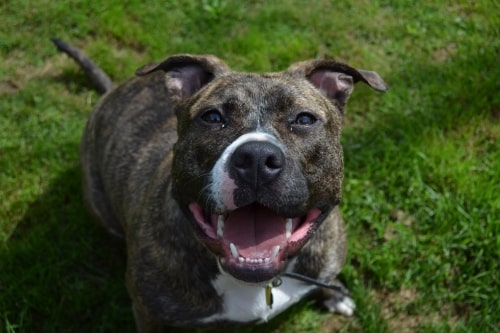
The behavior and confidence of both breeds depend heavily on how they are socialized and trained. While German Shepherds are generally taller and heavier, the two breeds differ significantly in structure, temperament, and working style. Both breeds are strong and athletic, but responsible ownership focuses on training them for companionship, protection, sports, or service—not aggression. A well-trained and socialized dog of either breed will be confident, stable, and reliable. Their behavior reflects how they are raised—not their breed.
Which dog is best? German Shepherd or Pitbull
Pitbull-type dogs often have a bad reputation due to misconceptions and irresponsible ownership, not because of their genetics. In fact, many owners note that Pitbull-type dogs are extremely friendly with people, which often makes them better companion dogs than traditional guard dogs. This is because Pitbull-type dogs tend to be people-oriented and affectionate, even toward friendly strangers. With proper training, they can learn good manners and boundaries, but their natural friendliness means they are not always ideal for guarding roles.
Neither German Shepherds nor Pitbull-type dogs are inherently ‘bad’ breeds. Both breeds are loving and energetic; they thrive when given proper training, mental stimulation, exercise, and nutrition. German Shepherds often excel as guard or protection dogs due to their intelligence, trainability, and strong protective instincts. Because of their herding heritage, some German Shepherds may instinctively attempt to guide or ‘herd’ groups of animals. This instinct is part of their foundational breed purpose. With proper socialization, both German Shepherds and Pitbull-type dogs can be wonderful with children and families.
There can be instances where a German Shepherd displays strong prey drive toward smaller animals, depending on individual temperament and training. For example, a relative of mine owned a German Shepherd with a particularly high prey instinct.
German Shepherd Sweetie
The dog in itself was gorgeous, tall, and well built, with a beautiful black and tan double fur coat. There was no problem at all while we stood there and appreciated the dog; it was friendly and almost docile, but it was until a pet crane walked in the courtyard from another corner of the villa. The dog became overly excited and reacted toward a household bird due to its prey drive, leading to an unfortunate incident. Within moments, the bird was severely injured due to the dog’s prey drive.
After the incident, the dog remained overstimulated and reactive for some time, which highlighted the importance of professional training and proper introductions. The dog, ironically named ‘Sweetie,’ showed that even well-bred dogs can display unexpected behaviors without proper socialization. And we agreed, but that was before it went all savage on the family’s lovely pets. She had been purchased from a private breeder who claimed she was well trained, but her behavior suggested she needed additional structured training.
This example shows the importance of choosing reputable breeders and ensuring consistent training, as even well-bred dogs require guidance, structure, and proper socialization. Unfortunately, irresponsible breeding practices in some lines have contributed to health issues and inconsistent temperaments in German Shepherds.
Conclusion
German Shepherds and Pitbull-type dogs are two of the most popular canine choices, and they are generally accessible through reputable breeders and adoption centers. Many people prefer well-bred and health-tested dogs, which often makes German Shepherds a popular choice. This demand, along with responsible breeding practices, often makes German Shepherds more expensive than Pitbull-type dogs, which are also commonly found in shelters and rescue organizations. German Shepherd puppies from reputable breeders typically cost $1,500–$4,500, depending on pedigree, location, and health testing.
Pitbull-type puppies generally range from $300–$1,200, though prices vary based on breed (APBT, AmStaff, etc.), pedigree, and breeder quality. In the United States, these dogs are typically obtained from reputable breeders, rescue groups, or adoption shelters. The American Kennel Club (AKC) maintains breed registries but does not sell dogs.
Ultimately, choosing between a German Shepherd and a Pitbull-type dog depends on your lifestyle, experience, and what you’re looking for in a companion. If you have the time, resources, and commitment, both breeds can make wonderful additions to the right home. Both breeds are deeply loyal and devoted, which is a quality many owners appreciate. Always adopt or purchase responsibly and prioritize reputable, ethical breeders or rescues.
Sources:
- https://en.wikipedia.org/wiki/Pit_bull
- The FCI officially recognized the German Shepherd as a standardized breed in 1899.
- According to the American Kennel Club, German Shepherds typically stand 22–26 inches tall and are widely used in police and service work.
- United Kennel Club — American Pit Bull Terrier Standard.
- Britannica — Pit bull dog type.
- Orthopedic Foundation for Animals (OFA) — Hip & elbow dysplasia prevalence
- PetMD — German Shepherd breed health
- American Veterinary Medical Association — Responsible dog ownership